Reliable Underground Infrastructure Installation Services
Schedule Utility Trenching in Chapel Hill
When you need trenches installed for water lines, electrical conduit, fiber, or septic systems in Chapel Hill, proper depth and stable backfilling make all the difference. American Dirtworks delivers owner-operated precision that keeps your yard looking clean and your utilities safely separated, even in the variable soil conditions common throughout the region.
Middle Tennessee soil density varies from property to property, and understanding those differences prevents collapses and settlement issues down the line. Whether you're working with a contractor, utility provider, or managing a residential project yourself, accurate trenching protects your investment and keeps timelines on track.
Request a free estimate today for utility trenching in Chapel Hill and surrounding areas.
What to Expect When You Book
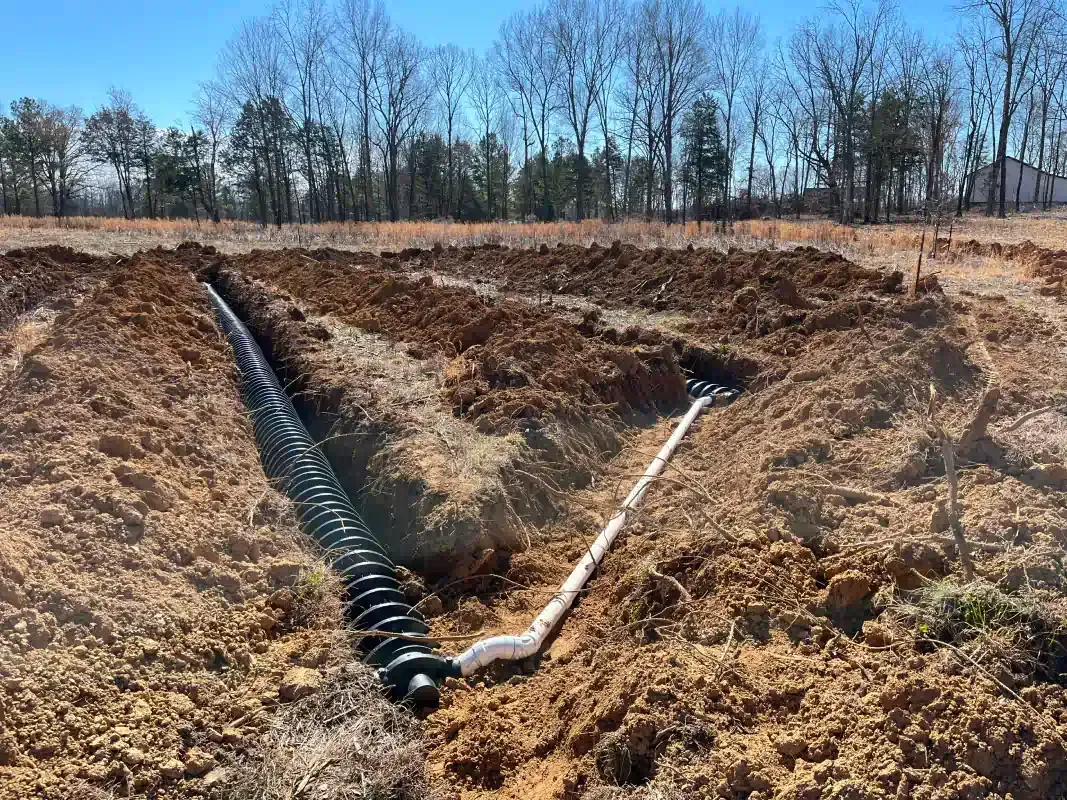
You'll start with a site assessment where soil type, utility placement, and access are evaluated to determine trench depth and width. In Chapel Hill and nearby communities, clay-heavy soils require different handling than sandy or loamy ground, and that attention to detail keeps your project stable from start to finish.
American Dirtworks coordinates directly with homeowners, contractors, and utility providers to ensure safe separation between lines and accurate placement. Knowledge of local soil density helps prevent collapses and settlement issues. Each trench is backfilled with care to restore yard integrity and support long-term performance.
From initial digging to final grading, the process is managed with precision equipment and hands-on oversight. You'll see minimal disruption to surrounding areas, clean edges, and a finish that meets both safety standards and project specifications without unnecessary delays or rework.
Key Benefits of This Service
Homeowners and contractors across the region often have questions about trench depth, timing, and soil conditions. Here are answers to the most common concerns about underground utility work.
Whether you're installing new utilities or repairing damaged lines, working with a team that understands Middle Tennessee soil and drainage keeps your project on schedule and up to code. Reach out now to discuss your utility trenching needs and receive a free estimate.