Solid Foundation Prep for Your Next Build
Plan Pad Building in Chapel Hill
Building a stable pad for your home, shop, barn, garage, or shed starts with proper base materials and compaction suited to the soil and drainage patterns found throughout Chapel Hill. You need a surface that won't shift, settle, or pool water, and that requires both the right equipment and an understanding of Middle Tennessee terrain.
American Dirtworks constructs compacted pads that support long-term structural health by ensuring accurate elevation and slope from the start. Whether you're preparing for a new build, an expansion, or pre-construction site work, the process involves layering, grading, and compacting materials to meet project specs and local soil conditions.
Secure a free estimate for pad building in Chapel Hill and surrounding towns today.
How Our Process Works
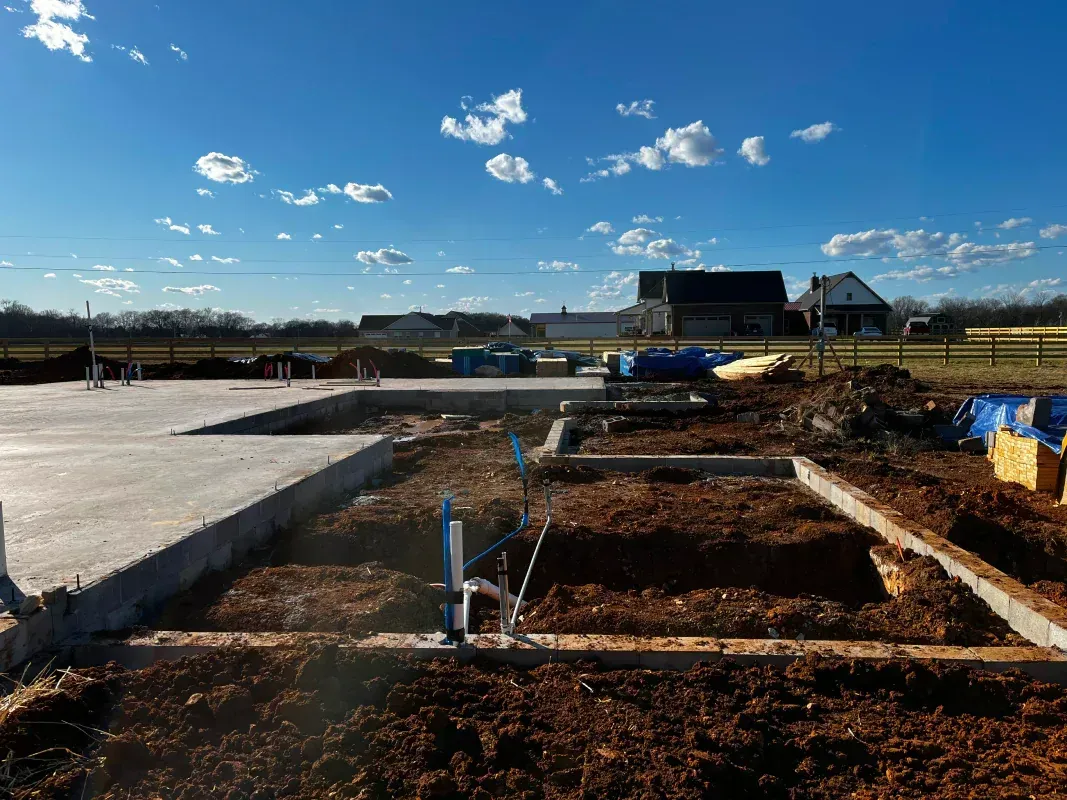
You'll begin with a site evaluation where existing grade, drainage flow, and soil composition are assessed to determine the best approach for your pad. In Chapel Hill and nearby areas, clay and mixed soils require specific compaction techniques to avoid future settling or water pooling around your structure.
American Dirtworks works directly with property owners and builders to meet project specs. Proper base materials and compaction suited to Middle Tennessee soil and drainage needs are used throughout the build. Each layer is graded and compacted to create a stable, level surface that supports your structure for years.
Final grading ensures water drains away from the pad, preventing erosion and moisture issues. The result is a clean, compacted surface ready for your foundation, slab, or post-frame construction without delays or costly adjustments later.
What's Included in This Service
Property owners and contractors often ask about compaction methods, grading accuracy, and timing. Here are answers to the most common questions about pad construction.
Whether you're building a new home, adding a workshop, or preparing land for a commercial structure, a well-built pad sets the stage for everything that follows. Contact us now to discuss your pad building project and receive a free estimate.